How to deal with insulation cracking and lining peeling in rotary kilns and decomposition furnaces during the overhaul of cement plants
Release Time: 2026-11-26
Share:
In the cement production system, rotary kilns and decomposition furnaces are typical high-temperature, high wear, and high thermal shock equipment. After long-term operation, problems such as abnormal surface temperature of the cylinder, cracking of the insulation layer, lining detachment, and local hotspots not only increase heat dissipation losses, but also affect the thermal stability of the kiln system and even pose safety hazards. During the overhaul period of the cement plant, insulation repair cannot only "repair the surface", but also needs to be systematically processed from four dimensions: working conditions, materials, structure, and construction. 1、 Firstly, identify the issue: cracking and lining detachment are not just due to material aging
The insulation failure of rotary kilns and decomposition furnaces is commonly caused by:
Long term high-temperature thermal cycle: The kiln system frequently starts and stops, with large temperature fluctuations, and the insulation layer repeatedly expands and contracts, which can easily lead to pulverization, cracking, and detachment.
Vibration and airflow erosion: Kiln rotation, fan vibration, and high-temperature flue gas erosion can cause ordinary flexible materials to layer and settle.
Inadequate grassroots treatment: The old insulation layer, floating ash, and loose refractory materials have not been cleaned thoroughly, and the new materials are not firmly bonded to the grassroots.
Mismatch of material temperature resistance level: Long term working temperature approaching or exceeding the material limit, fiber shrinkage, increased slag balls, and increased thermal conductivity.
Failure of outer protective layer: cracking of the plaster layer, insufficient waterproof and anti-corrosion ability, and accelerated damage of the insulation layer after moisture enters.
2、 Repair strategy: Four steps of cleaning, fixing, repairing, and protecting
Clean up the grassroots
Remove loose, powdery, and hollow old insulation layers and refractory materials to expose a solid base layer; Blow or clean up floating ash, debris, and oil stains to avoid new layers being stuck loosely.
Strengthening the base layer and anchoring components
Repair welding or reinforcement shall be carried out on loose anchor components, deformed areas, and areas of weld cracking. Local brick and lining areas can be repaired by combining casting materials, spraying coatings, or anchoring structures to ensure reliable support for subsequent insulation layers.
Select materials according to temperature zones
Prioritize the use of materials with higher temperature resistance and better thermal shock resistance in high-temperature areas; The intermediate and low temperature external insulation layer can adopt a composite structure, which takes into account thermal insulation, waterproofing, and construction efficiency.
Take good care of external protection and sealing
The outer side of the insulation layer should be equipped with plastering, waterproofing, and anti-corrosion measures to reduce the damage of rainwater, moisture, and mechanical collisions to the insulation system and extend its service life. 3、 Recommended insulation materials commonly used in cement plants
1. Ceramic fiber blanket
Ceramic fiber blanket is suitable for industrial kilns, high-temperature pipelines, flue lining, furnace door sealing and other parts, with low thermal conductivity, low heat capacity, good thermal stability and thermal shock resistance. In high-temperature areas such as rotary kilns, decomposition furnaces, and preheaters in cement plants, different temperature resistant products such as ordinary, standard, and zirconium containing can be selected according to the actual temperature. When selecting materials, safety margins should be reserved to avoid long-term use close to extreme temperatures.
2. PLUS blanket
For parts with obvious vibration, frequent start stop, and large thermal cycle impact, ordinary ceramic fiber blankets may experience delamination, powdering, or settling. PLUS blanket performs better in tensile strength, rebound rate, slag ball control, cutting flatness, and other aspects, making it suitable for insulation lining scenarios with higher stability and service life requirements in high-temperature equipment such as power plants and cement plants.
3. Plastering materials
Plastering materials are mainly used for external protection of insulation layers, which can improve surface compactness, waterproofing, and resistance to mechanical damage. The insulation layer at the kiln tail, smoke chamber, air duct, pipe elbow and other parts of the cement plant is easily affected by wind, rain, dust and collision after being exposed. The matching plastering material can effectively reduce cracking, water ingress and local detachment.
4. Nano thermal insulation board/aerogel materials
For parts with limited space, large heat loss and high energy saving requirements, nano heat insulation board, aerogel felt, aerogel coating and other materials can be considered. Its low thermal conductivity makes it suitable for energy-saving renovation of rotary kiln body, tertiary air duct, outer wall of decomposition furnace, preheater and other parts.
5. Composite insulation materials such as calcium silicate board and rock wool board
Composite insulation structures such as calcium silicate board, rock wool board, and rock wool felt can be used in areas such as medium and low temperature pipelines, equipment outer walls, and auxiliary pipe networks, taking into account cost, construction efficiency, and insulation effect.
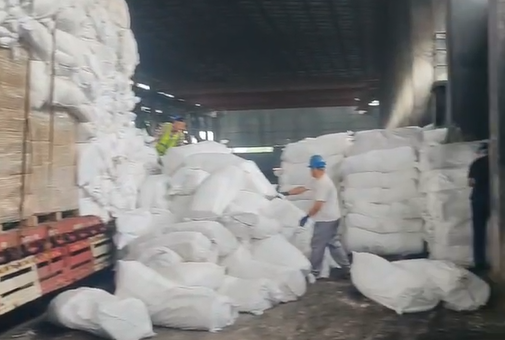
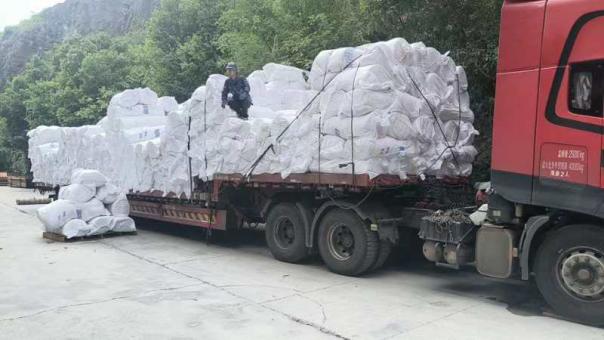
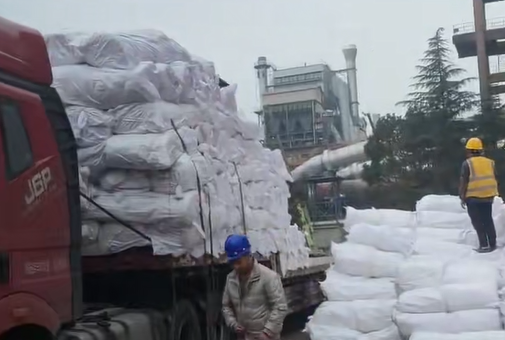
Rosewool Insulation Refractory Co.,Ltd. has long served the power plant, cement, petrochemical, metallurgical and other industries, and can provide ceramic fiber blanket, PLUS blanket, plaster material, calcium silicate board, nano thermal insulation board, aerogel type thermal insulation materials and other products, and can provide a complete set of thermal insulation refractory scheme in combination with the actual working conditions of the cement plant rotary kiln, calciner, preheater, tertiary air duct, smoke chamber, etc.
The overhaul of a cement plant is not simply about "changing materials", but about selecting a system based on temperature, vibration, erosion, spatial structure, and service life. Only by selecting suitable materials, standardizing construction, and ensuring proper external sealing can we truly reduce heat loss, minimize local hotspots, and extend equipment operating cycles.