Application of ceramic fiber products in the insulation and refractory function of glass industry melt pool
Release Time: 2025-11-05
Share:
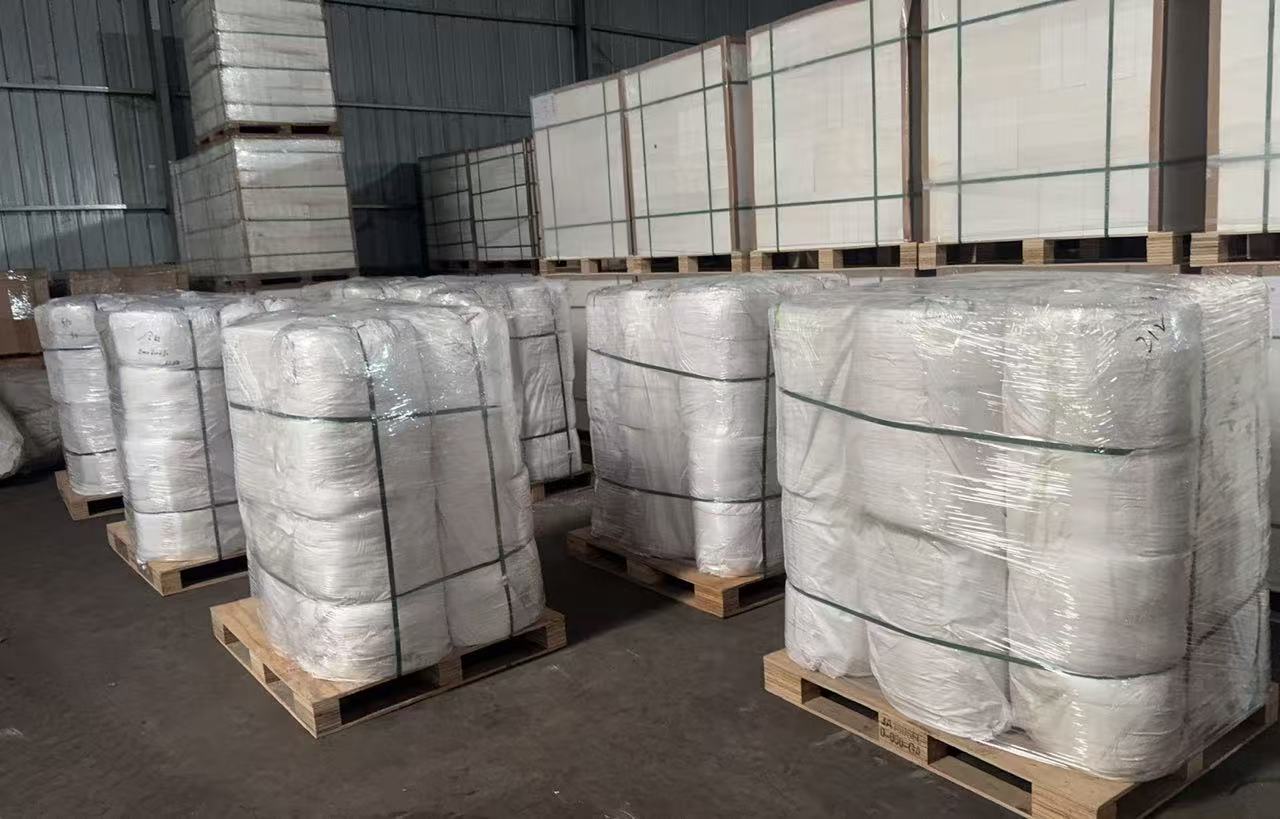
In the glass production process, the melt pool serves as the core link, and its temperature stability and insulation and fire resistance directly affect the quality and production efficiency of the glass. The overall operation of glass industrial plants also requires reliable material support. As a manufacturer of Rosewool Insulation Refractory Co.,Ltd, we are well aware of the strict requirements of the glass industry for professional insulation and refractory materials. Our ceramic fiber products, with excellent performance, have become the high-quality choice for melt pool insulation and refractory and factory applications in the glass industry.
Application of ceramic fiber products in the insulation and refractory function of glass industry melt pool
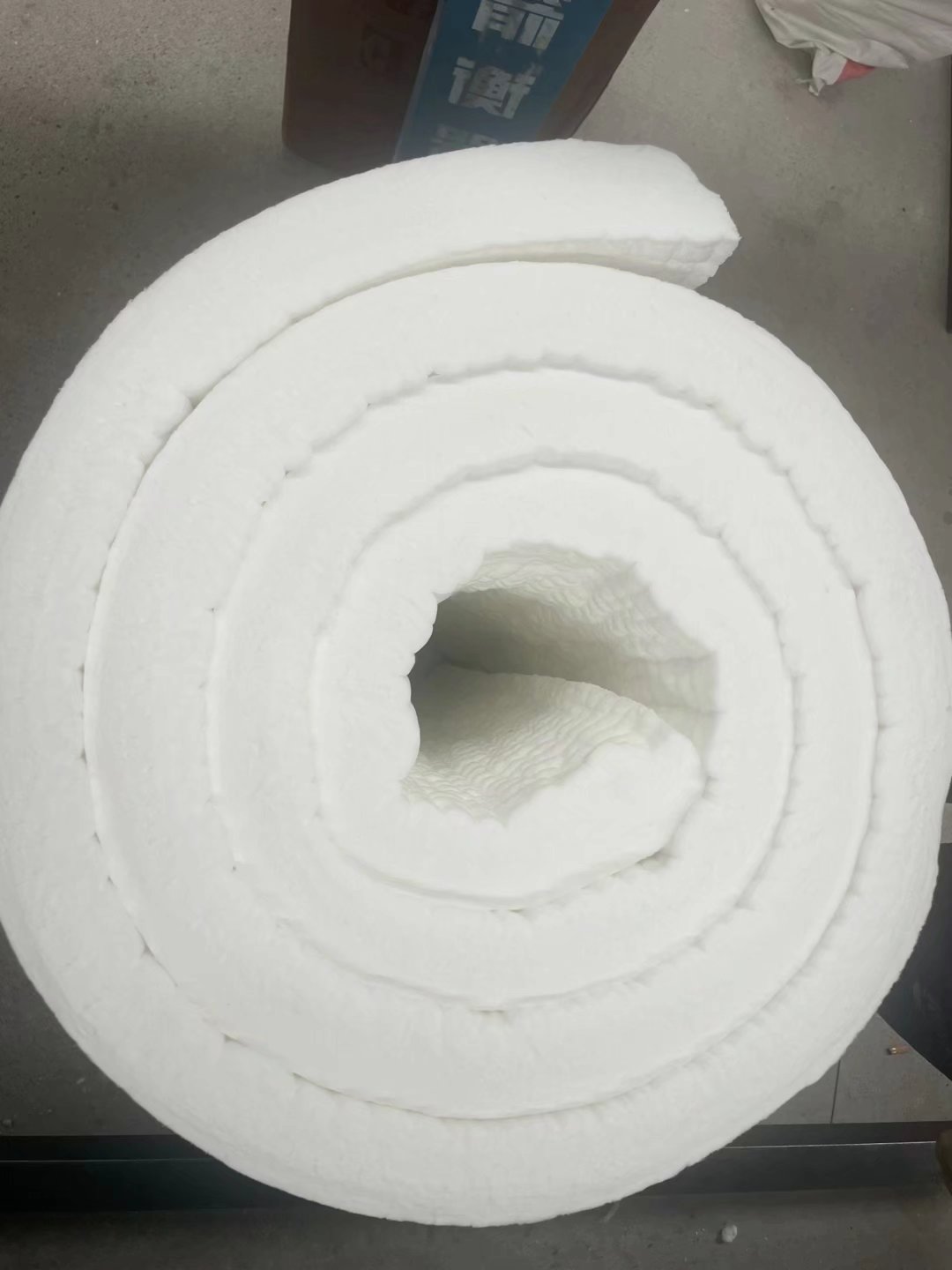
Ceramic fiber products have particularly outstanding advantages in thermal insulation and fire resistance in the glass industry melt pool. Firstly, it has excellent high temperature resistance and can easily handle working environments with glass melt pools up to 1500 ℃ or above. During the operation of the melt pool, ceramic fiber products can tightly cover key parts such as the side walls, bottom, and cover plate of the melt pool, forming a stable high-temperature resistant protective layer, effectively resisting the erosion of the melt pool structure by high temperature, avoiding problems such as deformation and leakage caused by high temperature, ensuring long-term stable operation of the melt pool, and providing a continuous and reliable high-temperature environment for glass production.
Secondly, its excellent insulation performance can significantly reduce heat loss. Maintaining high temperatures in glass melt pools requires a significant amount of energy consumption. The unique fiber structure of ceramic fiber products gives them an extremely low thermal conductivity, which can efficiently block the heat loss from the melt pool and firmly lock the heat inside the melt pool. This can not only reduce energy consumption and lower production costs for enterprises, but also avoid high temperatures in the surrounding environment of the melt pool, creating a more comfortable and safe working environment for workshop workers. At the same time, it can alleviate the impact of high temperatures on surrounding equipment and extend its service life.
Furthermore, ceramic fiber products exhibit significant thermal shock resistance. During the glass production process, the temperature of the melt pool may fluctuate due to production process adjustments. Traditional insulation refractory materials are prone to cracking and peeling during sudden temperature changes, while ceramic fiber products can adapt well to temperature changes and maintain structural integrity in alternating cold and hot environments without cracking. They continue to play a role in insulation and fire resistance, reducing downtime and maintenance caused by material damage, and ensuring the continuity of glass production.
In the application of glass industry plants, ceramic fiber products also demonstrate many advantages. On the one hand, it can be used for insulation and protection of high-temperature pipelines, kilns, and other equipment in factories. There are a large number of pipelines and auxiliary kilns used to transport high-temperature glass liquid in the glass factory building. Ceramic fiber products can tightly wrap around these equipment, effectively blocking heat transfer and preventing energy waste caused by pipeline and kiln heat leakage. At the same time, it avoids local high temperatures in the factory building, maintains the overall temperature stability of the factory building, and creates a suitable environment for other production processes.
On the other hand, ceramic fiber products are lightweight and easy to construct. The structure of glass industry plants is complex, and equipment is densely distributed. Traditional heavy insulation and refractory materials are difficult to construct and have a long construction period. Ceramic fiber products are lightweight and flexible, and can be flexibly cut and laid according to the shape of the equipment. Whether it is the curved part of the pipeline or the irregular surface of the kiln, they can be easily fitted, greatly shortening the construction period, reducing construction costs, and minimizing the impact on normal production of the plant.
Rosewool Insulation Refractory Co.,Ltd always meets industry demands with high-quality products. Our ceramic fiber products have undergone strict testing and meet high standards in terms of insulation, fire resistance, stability, and other aspects. If your glass enterprise needs to choose reliable insulation and refractory materials for the melt pool and factory building, you may choose us. We will provide you with professional solutions to help glass production run efficiently and stably.