Calcium silicate board insulation refractory material with a density of 230
Release Time: 2026-01-08
Share:
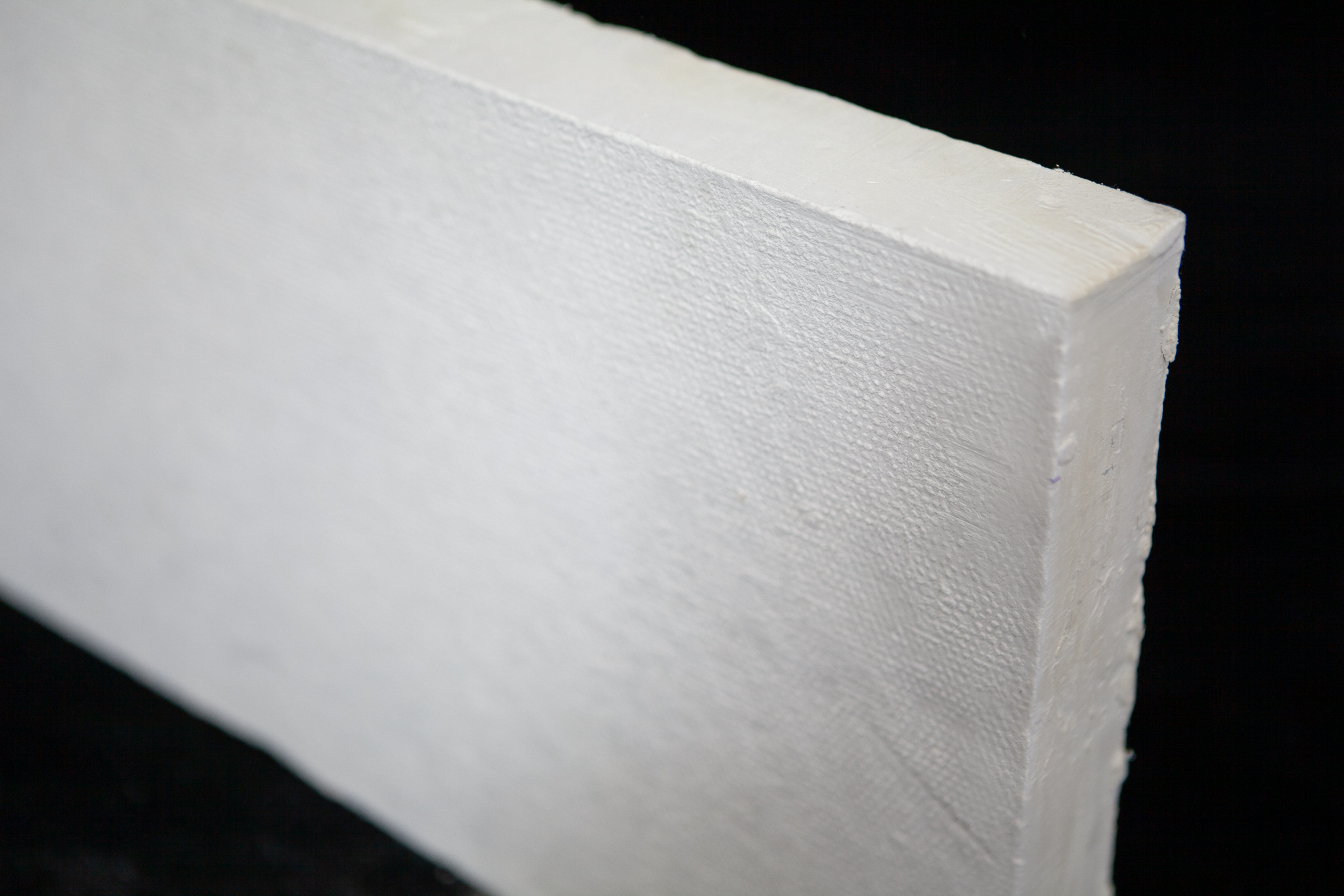
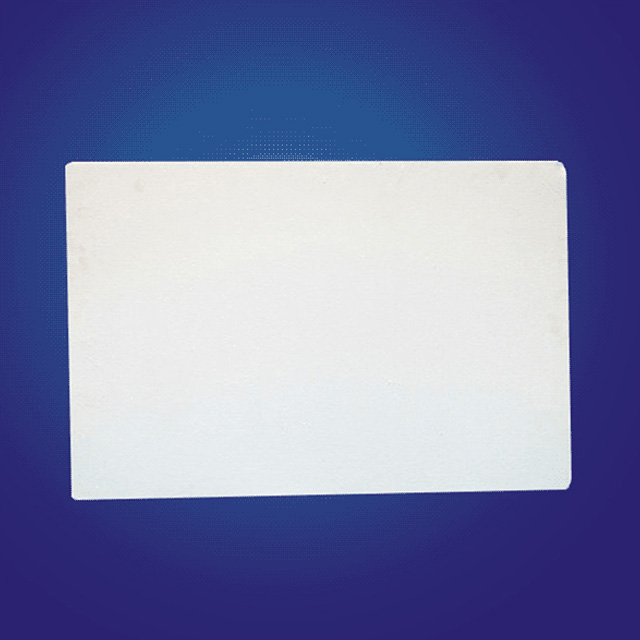
Calcium silicate boards with a density of 230 kg/m³ (i.e., with a density of approximately 230 kg/m³) belong to high-density calcium silicate insulation refractory materials, which exhibit excellent comprehensive performance in the industrial and construction fields. Rosewool Insulation Refractory Co.,Ltd. has been producing high-density calcium silicate boards for a long time, with stable product performance. We can provide specifications with a density of 230 kg/m³ and above, suitable for harsh working conditions, and are worthy of cooperation.
Calcium silicate board with a density of 230kg/m³ is a commonly used lightweight thermal insulation refractory board in the industrial sector. It combines the characteristics of thermal insulation, fire resistance, and resistance to compression and bending, meeting the thermal insulation and fire resistance needs of high-temperature equipment and building walls. High-temperature resistant calcium silicate board products are widely used in urban heat network construction and in various kilns and pipeline insulation in industries such as metallurgy, petroleum, chemical, cement, electronics, machinery, ceramics, glass, and natural gas. They are highly favored by users. Core performance characteristics of calcium silicate board
Good high temperature resistance: The long-term use temperature can reach 550–650℃ (some xonotlite-type products can reach 1000℃), making it suitable for insulation of medium and high temperature equipment.
Low thermal conductivity: The thermal conductivity at room temperature is approximately 0.045–0.065 W/(m·K), balancing thermal insulation and structural strength.
High compressive/flexural strength: With a density of 230 kg/m³, it is significantly higher than ordinary calcium silicate boards (150–200 kg/m³), boasting high mechanical strength and resistance to deformation and cracking.
Class A non-combustible: inorganic material, with a fire rating of Class A1, smokeless and non-toxic.
Good dimensional stability: low shrinkage rate, strong durability, suitable for long-term operating conditions.
Rosewool Insulation Refractory Co.,Ltd. has been producing high-density calcium silicate boards for a long time, with stable product performance. We can provide density specifications of 230 kg/m³ and above, suitable for harsh working conditions and worthy of cooperation. As a high-performance insulation refractory material, calcium silicate boards have advantages such as Class A non-combustibility, low thermal conductivity, high strength and durability, and high temperature resistance (up to 650°C and above). They are widely used in industrial kilns, building fireproof partitions, and external wall insulation systems. Rosewool Insulation Refractory Co.,Ltd. has been focusing on the research, development, and production of calcium silicate products for many years. Our products meet national standards, have stable quality, and have a comprehensive service system. We are a trustworthy and high-quality partner.