Rosewool Insulation Refractory Co.,Ltd.
Your Position: Home > About us > News > Industry Knowledge

Construction plan for nano-insulation board in aluminum factory

Release Time: 2026-01-07
Share:
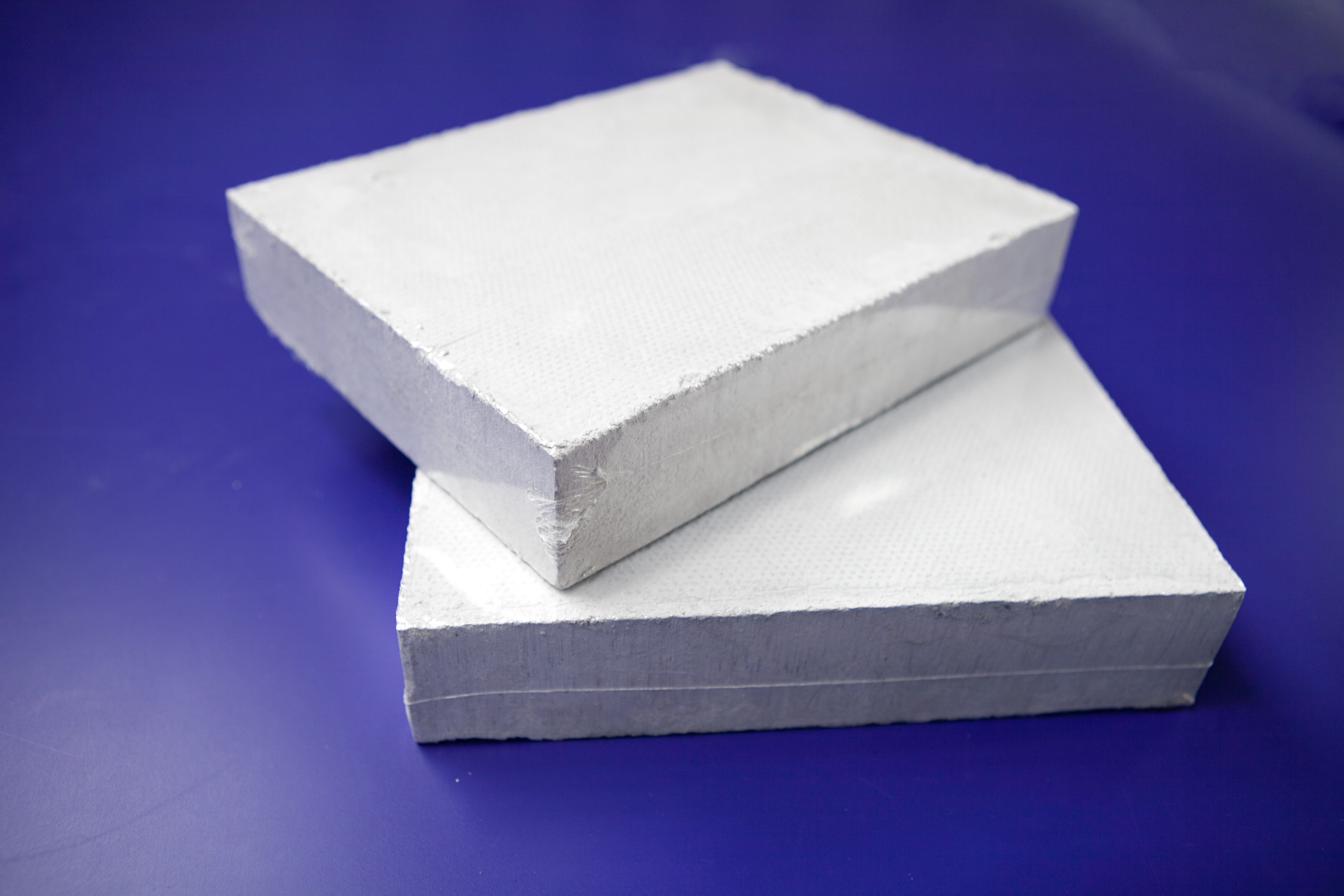
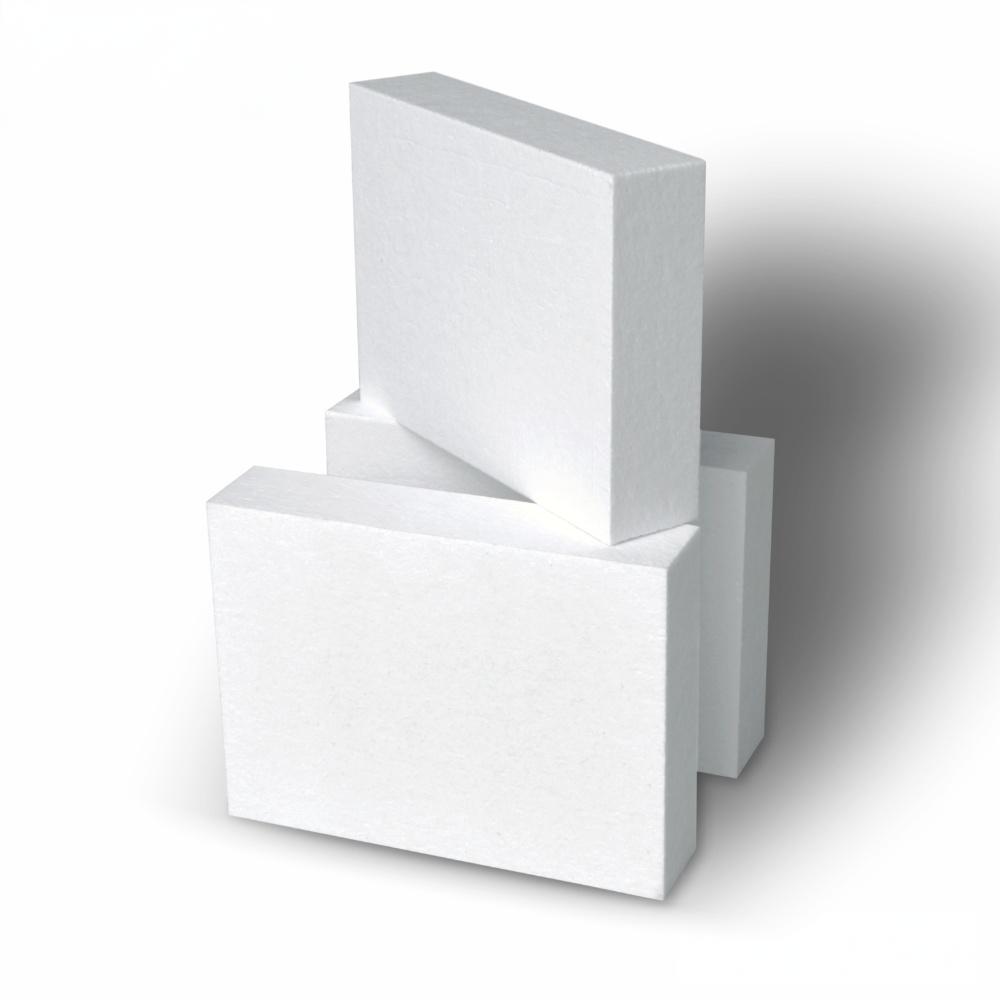
Construction plan for nano-insulation boards in aluminum plants? Aluminum plants, especially in high-temperature areas such as electrolytic aluminum, melting and casting, and holding furnaces, have extremely high requirements for insulation materials, which must be resistant to high temperatures, have low thermal conductivity, be resistant to thermal shock, and not release harmful gases. Nano-insulation boards, with their advantages of ultra-low thermal conductivity (approximately 0.015–0.025 W/(m·K) at room temperature), lightweight, and high temperature resistance (long-term use temperature up to over 1000°C), have become the preferred material for energy-saving renovation of high-temperature equipment in aluminum plants.
                                                                      

Construction plan for nano-insulation board in aluminum factory: bonding + anchoring method (applicable to vertical/top structures)

1. Apply adhesive
Evenly apply high-temperature resistant inorganic adhesive (with a thickness of 1-2mm) to the base surface and the back of the nanosheet;
It is recommended to use ceramic fiber cement or dedicated nano-plate adhesive (temperature resistance ≥1000℃).
2. Install nano-plates
Press the boards tightly into place according to the design, ensuring staggered joints (similar to laying bricks, avoiding straight joints);
If the gap between board joints is ≤2mm, it can be filled with scrap materials.
3. Mechanical anchoring (key step)
Use stainless steel "U" shaped nails or butterfly anchor bolts (material 310S or Inconel) to penetrate the nano-plates and secure them to the steel shell;
Anchor spacing: vertical surface ≤300mm, top surface ≤200mm;
The anchoring depth needs to penetrate into the supporting structure by ≥15mm.
4. Joint sealing
All plate joints shall be filled with high-temperature resistant sealant or ceramic fiber rope;
Coated with a layer of ceramic fiber cloth + adhesive (optional, to enhance integrity).

Construction plan for nano-insulation board in aluminum factory? Rosewool Insulation Refractory Co.,Ltd has deep experience in the non-ferrous metal industry and a profound understanding of aluminum production processes and insulation challenges. Faced with the "dual carbon" goals and cost pressures, the green transformation of the aluminum industry is imperative. Choosing Rosewool Insulation Refractory Co.,Ltd's nano-insulation board is choosing to empower production with technology, maximizing the value of every kilowatt-hour of electricity and every unit of thermal energy.


 

Also Read

hard calcium silicate materials

Introduction to the functions of high-temperature resistant and environmentally friendly hard calcium silicate materials in glass factories

Introduction to the functions of high-temperature resistant and environmentally friendly materials made of hard calcium silicate in glass factories? Hard calcium silicate belongs to a type of hydrated calcium silicate material. Its own composition and characteristics show fibrous or needle shaped crystal morphology. Among many hydrated calcium silicate minerals, its crystal water content is relatively low, while it has excellent high-temperature stability and can withstand high temperature environments of 600 to 1000 ℃. For glass factory applications, hard calcium silicate stone (usually in the form of calcium silicate boards/pipes) is an excellent insulation material for medium and high temperature zones. 
View More >>
calcium silicate board

Asbestos free calcium silicate board, building a strong safety defense line in high temperature scenarios

In the fields of industrial production, building decoration, etc., material performance under high temperature environment has always been the core concern of enterprises. Once the material has insufficient high temperature resistance and weak flexural strength, it will not only affect the quality of the project, but may also cause safety hazards. The asbestos free calcium silicate board developed and produced by Rosewool Insulation Refractory Co.,Ltd. has become the preferred solution for many industries to solve high-temperature scenarios due to its core advantages such as high temperature resistance, high flexural strength, and excellent thermal insulation performance, as well as flexible customized services for irregular specifications. ​
View More >>
How to cut calcium silicate board

How to Cut Calcium Silicate Board: A Step-by-Step Guide for Precision and Safety

Calcium silicate board is a versatile building material prized for its fire resistance, moisture resistance, and durability. Whether you’re renovating a home, constructing a commercial space, or tackling a DIY project, cutting this material accurately is essential for achieving professional results. This guide will walk you through the process of cutting calcium silicate board efficiently while prioritizing safety and precision.
View More >>

Send Enquiry Now

sales@rosewool.com
+86 18538206860
+86 18538206860
Speak To Our Team
Name:
Country :
*Email:
*Phone/Whatsapp:
*Inquiry:
X