What is high-strength wear-resistant plastic material
Release Time: 2026-01-05
Share:
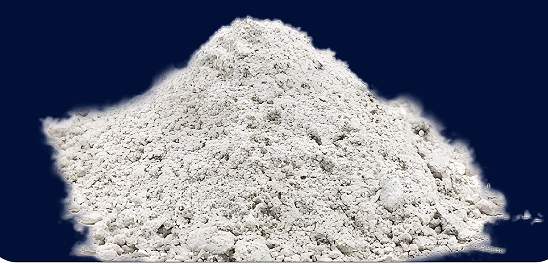
High-strength wear-resistant plastic refractory is a type of unshaped refractory material specifically designed for use in high-temperature, highly abrasive, and strongly erosive conditions. It features strong plasticity, convenient construction, high strength, and excellent wear resistance, and is widely used as an inner lining for key high-temperature equipment in industries such as power, metallurgy, cement, and chemical engineering. Basic raw materials for high-strength and wear-resistant plastic materials:
Aggregates and powders: High-alumina bauxite, corundum, silicon carbide, chromite sand, and other wear-resistant hard materials are selected to form the material skeleton, determining the wear resistance and high temperature resistance.
Binders: There are hydraulic binders (such as aluminate cement) and chemical binders (such as phosphoric acid and phosphate), which can be cured at room temperature without high-temperature sintering.
Admixtures: Add water reducers, plasticizers, and anti-cracking agents to enhance the workability and crack resistance during construction; incorporate metal fibers and ceramic fibers to improve impact resistance and thermal shock resistance.
Functional characteristics of high-strength wear-resistant plastic material:
"Plastic refractory material": refers to refractory materials that exhibit good plasticity at room temperature (similar to plasticine), and can be constructed through methods such as ramming and coating, without requiring vibration for molding.
"High strength and wear resistance": By adding hard aggregates such as corundum, silicon carbide (SiC), mullite, and high-alumina clinker, and combining them with phosphate, calcium aluminate cement, or organic binders, it achieves high compressive strength at room temperature/high temperature (≥60 MPa after drying at 110℃, ≥80 MPa after firing at 1350℃) and excellent wear resistance (wear loss ≤5 cm³, significantly better than ordinary castables)
The core difference between high-strength wear-resistant plastic and ordinary plastic lies in:
Wear-resistant reinforcement component: High-strength wear-resistant plastic material is additionally enhanced with super-hard wear-resistant aggregates such as silicon carbide and corundum, or metal wear-resistant fibers, resulting in a wear resistance that is 2-3 times higher than that of ordinary plastic material.
Strength indicators: It exhibits higher compressive strength at both room and high temperatures, making it suitable for harsh working conditions with high impact and heavy loads. In contrast, ordinary plastic materials are more appropriate for thermal insulation or auxiliary lining applications with low wear and tear.