How much does it cost to use microporous calcium silicate board in aluminum plants?
Release Time: 2026-01-04
Share:
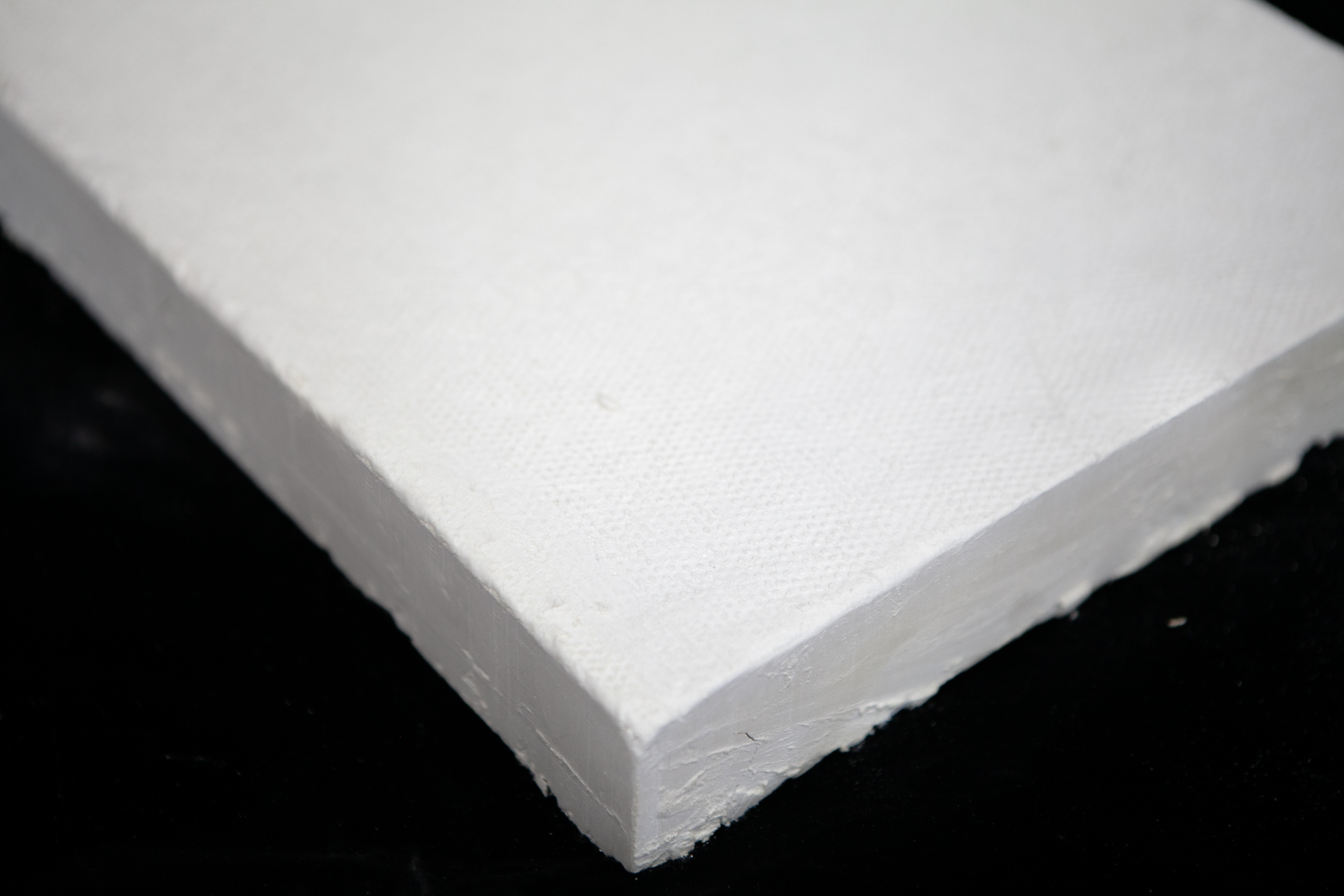
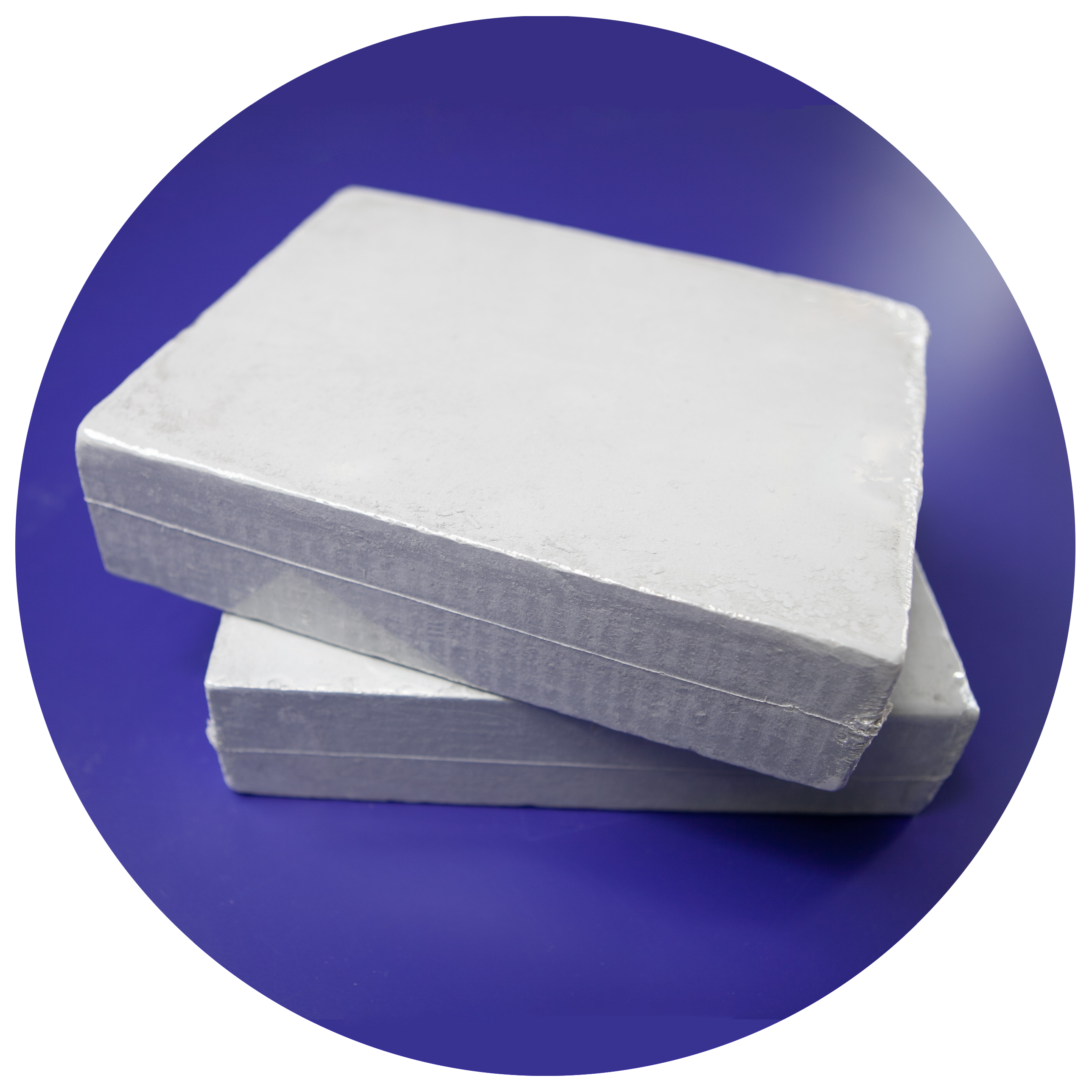
How much does it cost to use microporous calcium silicate board in aluminum plants? The microporous calcium silicate board used in aluminum plants is a hard insulation/structural material that is asbestos free and A1 grade non combustible. Its core is used in electrolytic cells, aluminum melting furnaces, aluminum liquid diversion channels, etc. The floor price fluctuates with specifications and working conditions. There is no national unified "fixed price" for microporous calcium silicate board, and its final quotation is a comprehensive variable;
The price of microporous calcium silicate board used in aluminum plants is a comprehensive reflection of performance, specifications, services, and scale. Directly communicating with professional manufacturers to obtain targeted technical solutions and accurate quotations is the most effective way to control project costs and ensure engineering quality. Rosewool Insulation Refractory Co.,Ltd is the preferred choice for microporous calcium silicate boards used in aluminum plants. It is asbestos free, A1 grade, non combustible, resistant to 1050 ℃, and insulated against aluminum liquid infiltration. It is suitable for all scenarios of electrolytic cells/aluminum melting furnaces/diversion channels, with fast local supply, controllable cost, and closed-loop service. It is a cost-effective choice for aluminum plants to reduce costs and improve efficiency. Procurement and construction suggestions for microporous calcium silicate board:
Select the type according to the scenario: 300-500kg/m ³ for electrolytic cells, 800-1100kg/m ³ high-density boards for aluminum liquid contact.
Locking parameters: Clearly define density, thickness, temperature resistance, insulation, and testing standards to avoid ambiguous pricing.
Cost control: Prioritize local manufacturers (such as Rosewool Insulation Refractory Co.,Ltd), including bulk shipping, testing reports, and 1-2 years of warranty.
Construction points: Cut with woodworking tools, with joints ≤ 2mm and fill with high-temperature sealant; Before installing the electrolytic cell, ensure that the boards are dry to avoid insulation hazards.
1. Deeply cultivating insulation and fire resistance for more than 40 years, ISO9001 certification, aluminum plant boards have passed third-party testing, and the indicators can be traced back to meet the standards.
2. Produced locally in Zhengzhou, shipped within 3 days. The surrounding 500km shipping cost only accounts for 8% -15% of the bare price, and the after-sales response is ≤ 24 hours.
3. Support customized irregular cutting, punching/slotting, provide electrolytic cell installation solutions and construction guidance, and reduce on-site rework rate.
4. Batch includes shipping, testing reports, and a 1-2 year warranty, with no hidden costs and better cost-effectiveness than brands from other provinces.