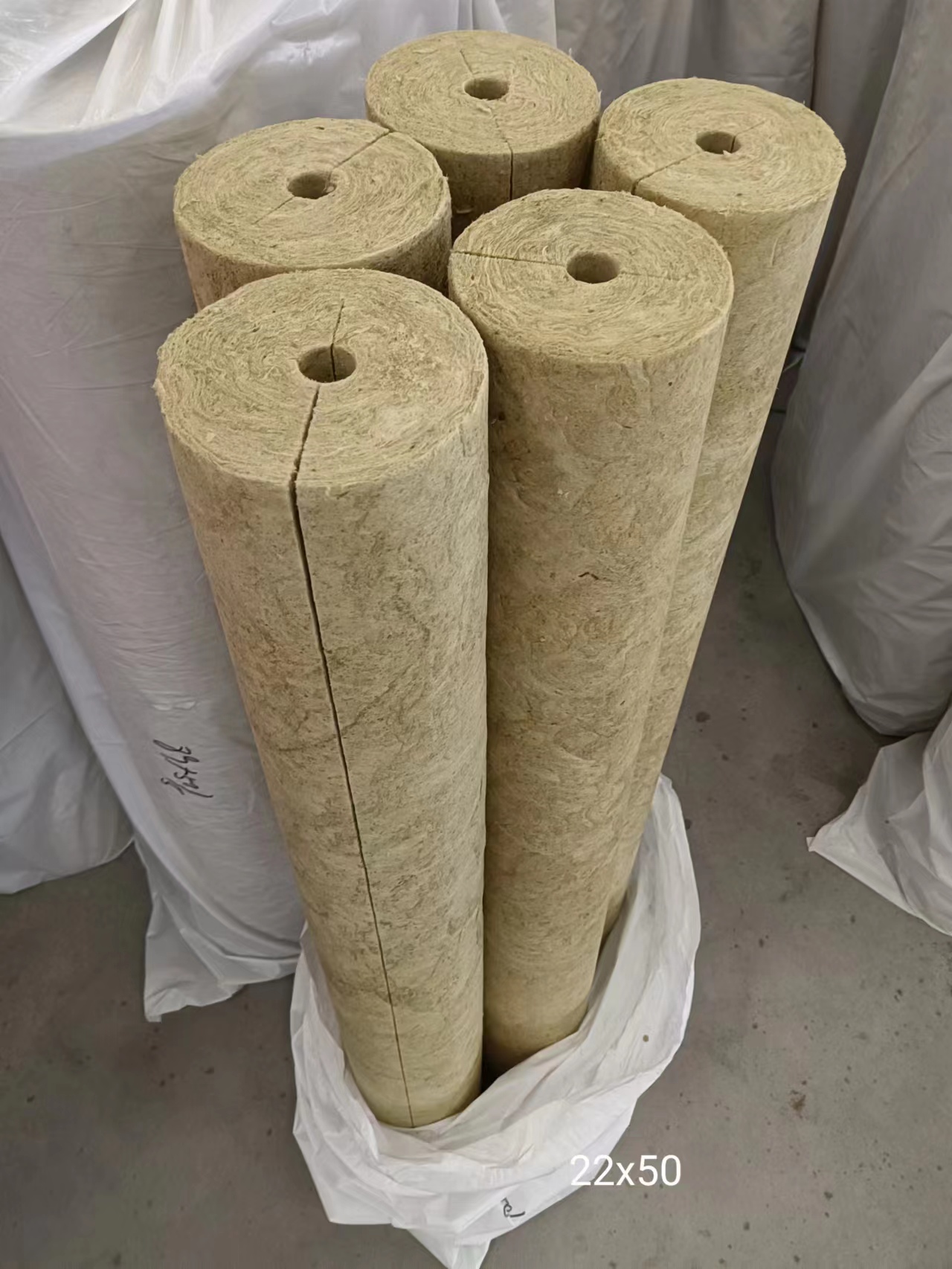
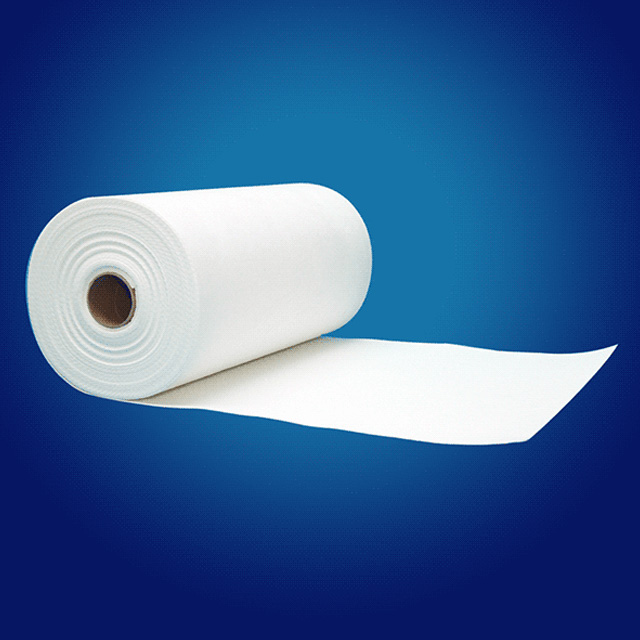
When handling
high-temperature heat insulation blankets, it is crucial to wear appropriate protective gear to ensure safety and minimize potential health risks. These blankets are often used in industrial settings where temperatures can be extremely high, and fibers from the insulation material can cause irritation or more serious health issues if not handled properly.
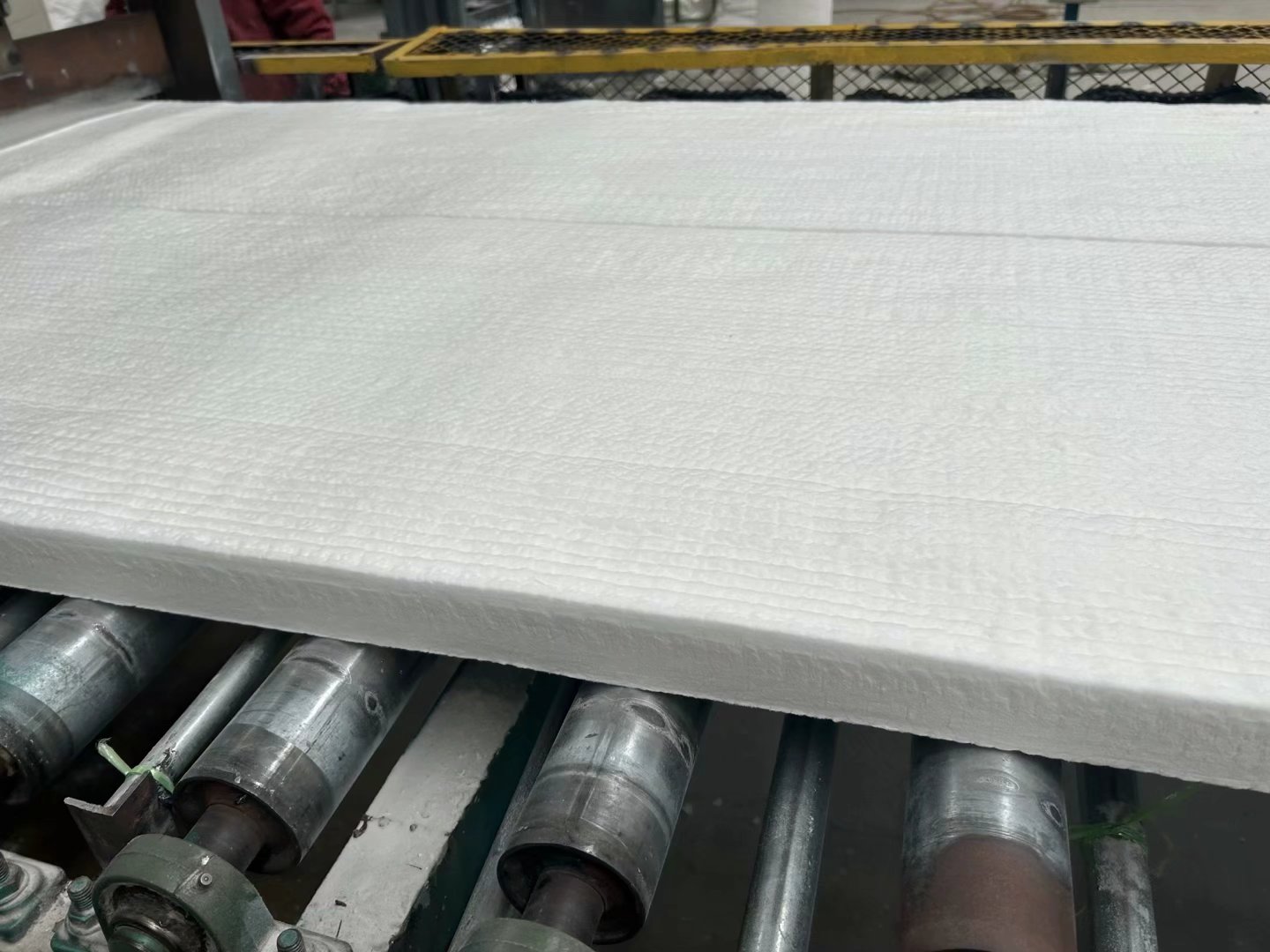
Why Protective Gear Is Necessary
- Heat and Thermal Protection: High-temperature insulation blankets can retain significant amounts of heat. Wearing heat-resistant gloves and protective clothing can prevent burns and thermal injuries.
- Respiratory Protection: The fibers from ceramic fiber blankets can become airborne during handling, which may cause respiratory irritation. Using a dust mask or respirator helps prevent inhalation of these fibers.
- Eye and Skin Protection: Fiber particles can cause physical irritation to the skin and eyes. Safety goggles and long-sleeved clothing are recommended to protect against direct contact.
Specific Protective Gear Recommendations
- Heat-Resistant Gloves: These gloves are designed to withstand high temperatures and protect hands from heat and fibers.
- Protective Clothing: Long-sleeved shirts and pants made from heat-resistant materials can protect the skin from direct contact with hot insulation materials.
- Safety Goggles or Face Shields: These protect the eyes from fiber particles and reduce the risk of irritation.
- Dust Masks or Respirators: These are essential for preventing the inhalation of ceramic fibers, which can cause respiratory issues.
Additional Safety Measures
- Ventilation: Ensure that the work area is well-ventilated to reduce the concentration of airborne fibers.
- Handling Practices: Use tools to handle the insulation blankets whenever possible to minimize direct contact.
- Regular Inspections: Regularly inspect the insulation blankets for any signs of wear or damage. Replace damaged sections promptly to maintain their effectiveness.
- Follow Manufacturer's Guidelines: Always follow the manufacturer's recommendations for handling and safety precautions.
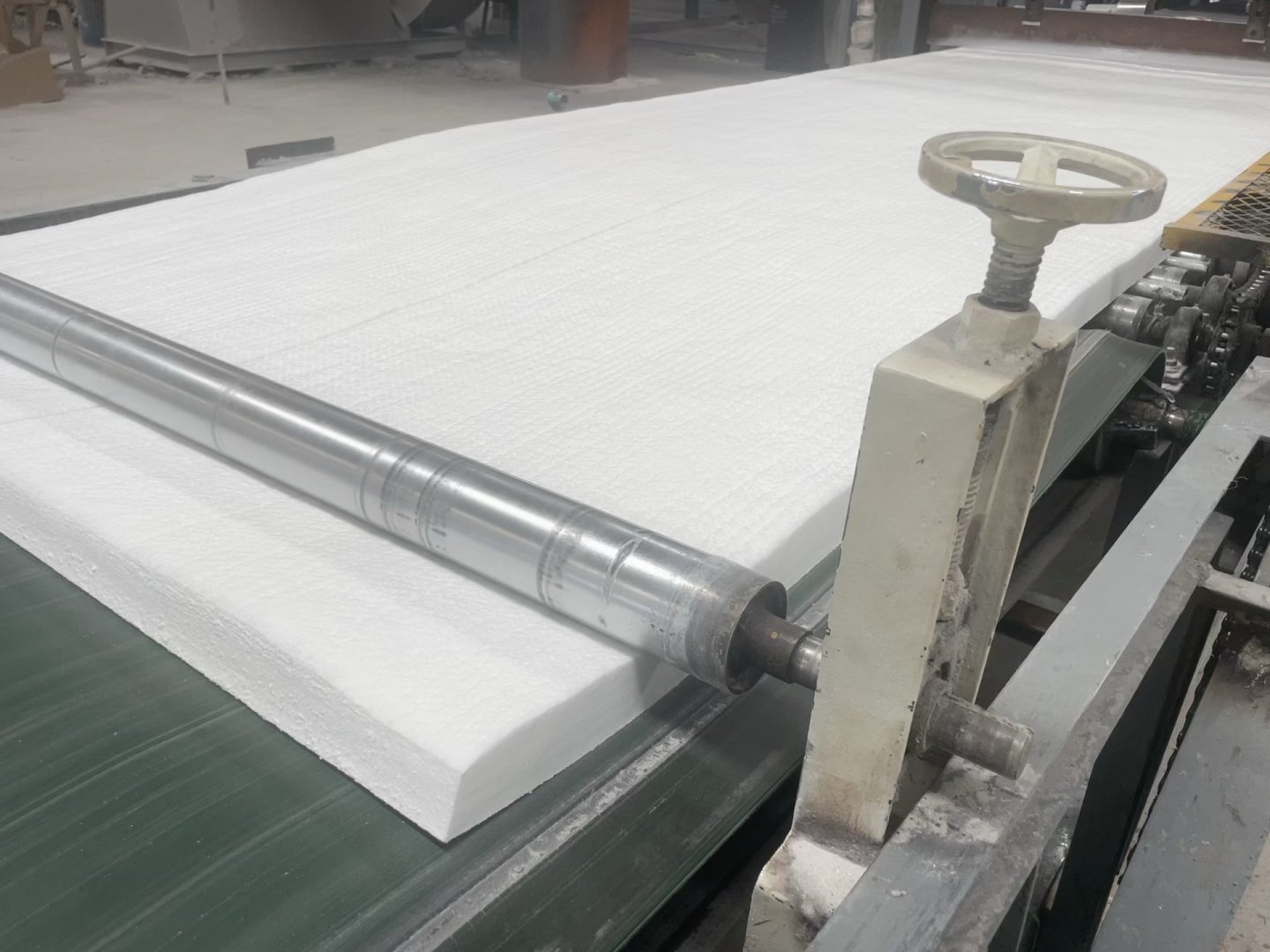
Conclusion
Wearing protective gear when handling
high-temperature heat insulation blankets is essential for personal safety. The combination of heat-resistant gloves, protective clothing, safety goggles, and respiratory protection can significantly reduce the risk of burns, skin irritation, and respiratory issues. By adhering to these safety measures and following manufacturer guidelines, you can safely handle and install high-temperature insulation blankets.