Which parts of the power plant require insulation materials, and what types of insulation materials are needed?
Release Time: 2026-10-19
Share:
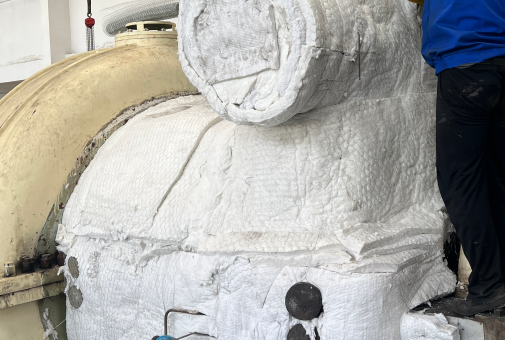
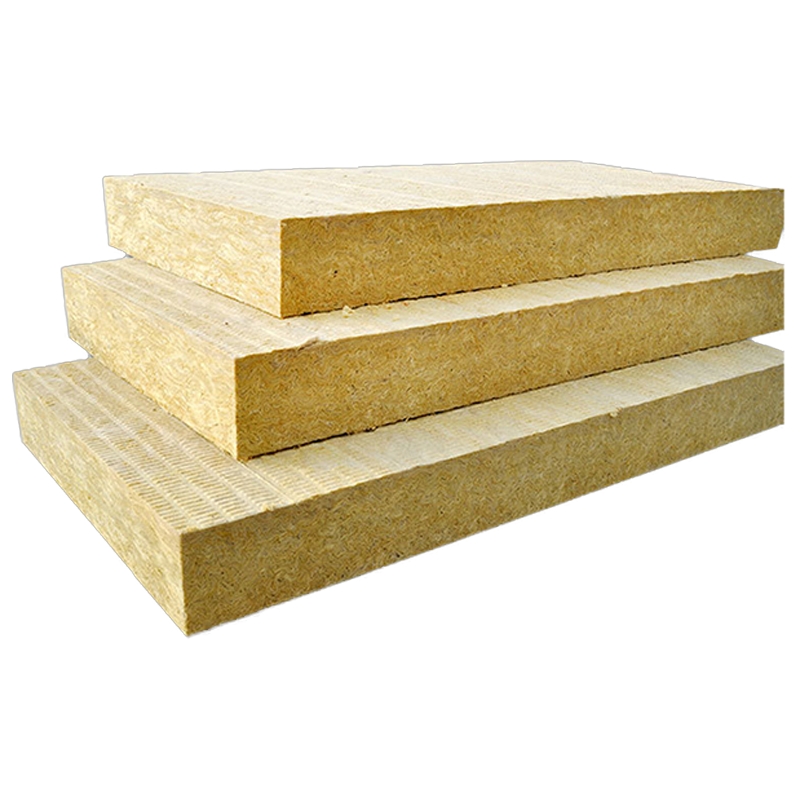
The insulation equipment required for thermal power plants mainly includes turbine cylinders, high-temperature valve flanges, main reheat steam pipelines, boiler headers, SCR denitration flues, hot air ducts, drain expansion vessels, etc. Rosewool Insulation Refractory Co.,Ltd. PLUS ceramic fiber blanket is preferred as the composite insulation inner layer for high-temperature vibration equipment and irregular overheating parts. PLUS blanket has a temperature resistance of 1260 ℃, low slag ball content, high tensile strength, and resistance to thermal shock and vibration. It is not easy to settle and pulverize under repeated temperature impacts during unit start-up and shutdown, and can tightly wrap complex surfaces such as cylinders, valve bodies, elbows, expansion joints, etc. The outer layer of the flat pipeline is matched with microporous calcium silicate products; The medium temperature air duct at 300-420 ℃ adopts rock wool; Low temperature pipelines are made of glass wool. The stubborn hot spots such as valves and flanges can be partially treated with nano aerogel felt. Which parts of the power plant require insulation materials:
1. Steam turbine system (500-560 ℃, high vibration and overheating)
Equipment: High/medium pressure cylinder body, cylinder split flange bolts, steam guide connecting pipe, main steam valve/regulating valve, high-temperature valve body, flange.
Recommended lining: Rosewool Insulation Refractory Co.,Ltd. PLUS ceramic fiber blanket, with an outer layer paired with microporous calcium silicate board. PLUS blanket slag ball has low resistance, high tensile strength, and good rebound. It is resistant to thermal cycles during unit start-up and shutdown, and does not settle or pulverize easily due to long-term vibration. The curved surfaces, bolts, and valve body irregular parts are tightly fitted; The hot spot modification can locally superimpose nano aerogel felt. 2. Main steam and reheat steam pipelines (530-580 ℃)
Equipment: Main steam/reheat straight pipes, elbows, tees, reducers, pipe supports and hangers.
Straight pipe: inner layer of "Rosewool Insulation Refractory Co.,Ltd. PLUS blanket", outer layer of microporous calcium silicate tube shell; Elbow, tee, pipe support and other abnormal parts easy to overheat: covered with PLUS blanket, and the hot spot position is supplemented with aerogel blanket. 3. Boiler high-temperature components (450-560 ℃) 4. Thermal auxiliary equipment and medium temperature equipment (≤ 400 ℃) 5. Low temperature thermal system (≤ 250 ℃) PIUS blanket is a new type of insulation blanket specifically designed for steam turbines launched by Rosewool Insulation Refractory Co.,Ltd. to power plant customers. It is made from selected hot materials such as coke gemstones, melted at high temperatures, blown into fibers, solidified into shapes, and cut and rolled. It has the characteristics of high temperature resistance, good stability, high chemical stability, low thermal conductivity, low heat capacity, and easy cutting and construction. Compared with natural aluminum silicate needle punched blanket, it has lower slag ball content, higher tensile strength, better rebound rate, no burrs in cutting, convenient construction, better insulation effect, and longer service life. Rosewool Insulation Refractory Co.,Ltd. PLUS blanket has a slag ball content of less than 5% and a compressive strength greater than 110KPA. Compared to ordinary fiber blankets, it has a higher cost-effectiveness and is better;
Cooperating with Rosewool Insulation Refractory Co.,Ltd. to purchase PLUS ceramic fiber blankets can provide full chain guarantee from the source manufacturer. PLUS blanket is specially developed for high-temperature vibration conditions in power plants, with a temperature resistance of up to 1260 ℃. It has low slag ball content, high tensile strength, and outstanding rebound performance. In areas such as turbine cylinders, high-temperature valves, steam elbows, and SCR flues, it is resistant to thermal cycle impact during unit start-up and shutdown, and is not easy to settle, pulverize, or shrink. It effectively solves the problem of local overheating of equipment, reduces heat dissipation losses, and extends insulation service life.