Rosewool Insulation Refractory Co.,Ltd.
Your Position: Home > About us > News > Industry Knowledge
Company NewsCasesIndustry KnowledgeExhibitionsChinese Culture
PLUS blankets
Insulation Industry Knowledge & Tips | Rosewool Insulation
Nov 03. 2026

How to choose insulation wire mesh for power plants? Galvanized or stainless steel?

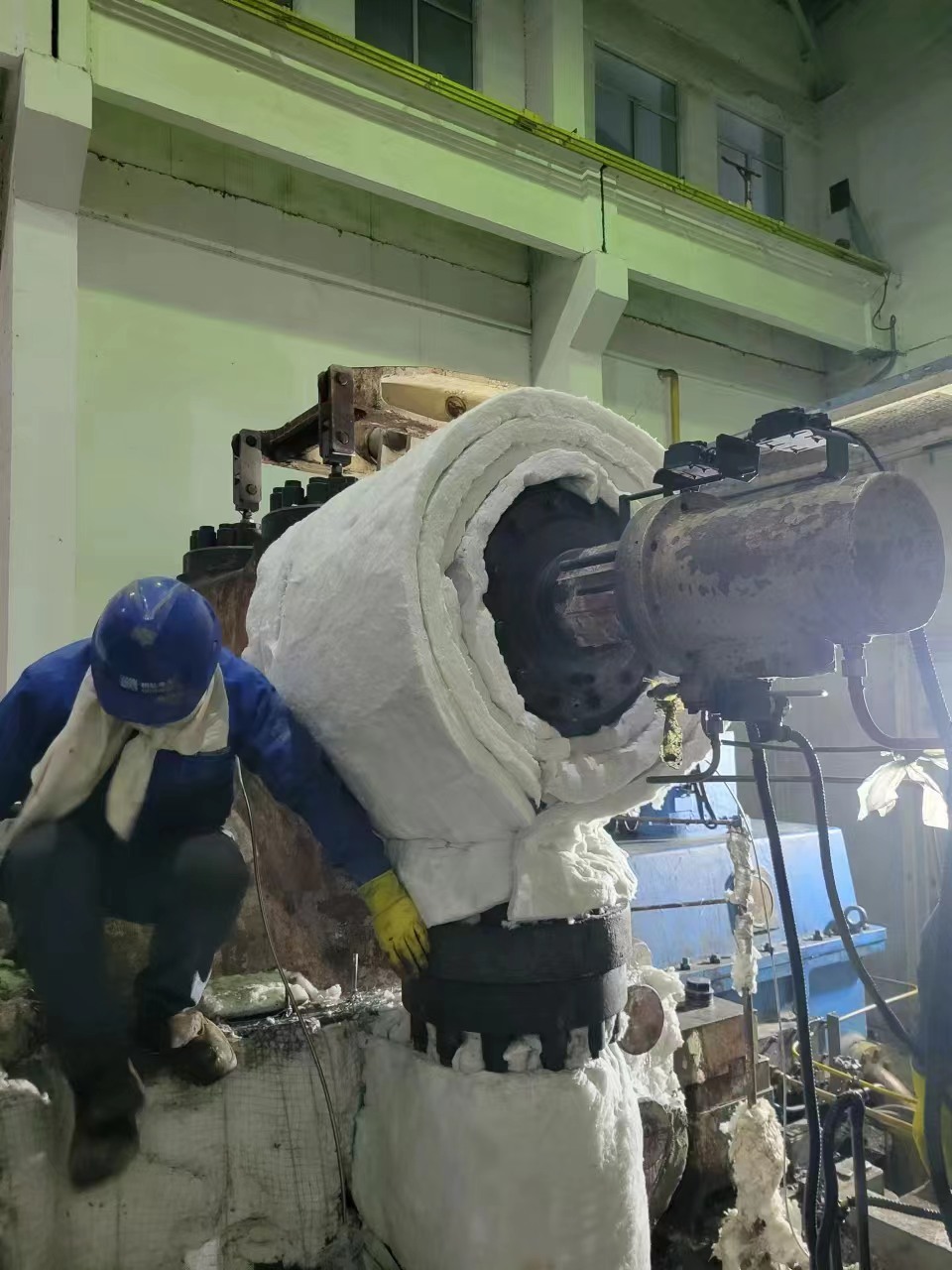
In the insulation engineering of power plants, flexible insulation materials such as ceramic fiber blankets and PLUS blankets need to be tied and fixed with wire mesh after laying to enhance the integrity, wind erosion resistance, and vibration resistance of the insulation layer. However, many construction and procurement personnel are faced with a choice: should the wire mesh be galvanized or stainless steel? Today, Rosewool Insulation Refractory Co.,Ltd. will provide you with a detailed analysis from a professional perspective.

View More >>
ceramic fiber blankets
Insulation Industry Knowledge & Tips | Rosewool Insulation
Nov 02. 2026

What are the temperature resistance requirements for plastering materials in power plants?

What are the temperature resistance requirements for the plastering materials used in power plants? In the insulation engineering of power plants, the plastering material serves as a protective layer outside the insulation layer, which not only plays a role in waterproofing, moisture-proof, and preventing mechanical damage, but also needs to have temperature resistance performance that matches the internal insulation layer. The temperature conditions in different parts vary greatly, so the temperature resistance level of the plastering material also needs to be selected in stages.
View More >>
ceramic fiber blankets
Insulation Industry Knowledge & Tips | Rosewool Insulation
Oct 30. 2026

Do power plants need ordinary, high aluminum, or zirconium grade insulation materials such as ceramic fiber blankets? Which standard GB/T16400 should be followed for bulk density and thickness?

Do power plants need ordinary, high aluminum, or zirconium grade insulation materials such as ceramic fiber blankets? Which standard GB/T16400 should be followed for bulk density and thickness? The ceramic fiber blanket used in power plants cannot simply be said to be "ordinary, high aluminum or zirconium containing", but should be selected according to the long-term working temperature of the hot surface, whether it is in contact with flames/smoke erosion, and the position of the furnace lining (hot surface layer/backing layer); The bulk density and thickness can refer to GB/T 16400, but the specific values are usually determined by the insulation design of power plant boilers/turbines, bidding documents, or owner technical agreements.
View More >>
rock wool board pipeline
Insulation Industry Knowledge & Tips | Rosewool Insulation
Oct 29. 2026

Density 100, thickness 50mm rock wool board pipeline material insulation

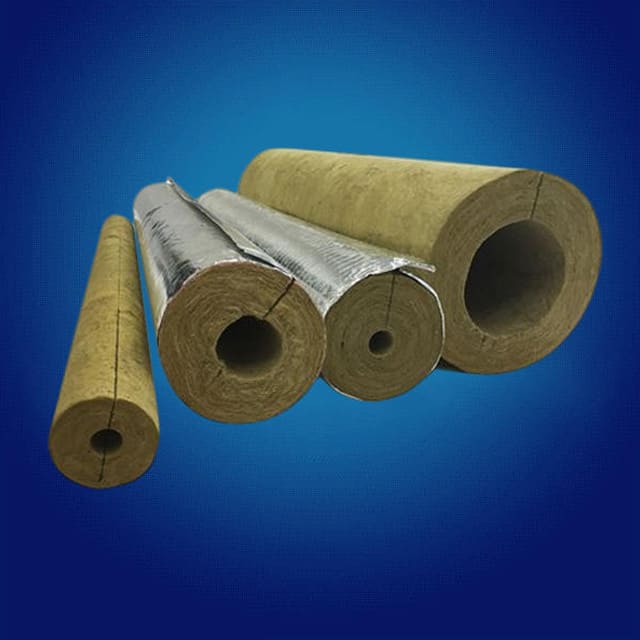
Density 100, thickness 50mm rock wool board pipeline material insulation? 50mm thickness is a commonly used specification for pipeline insulation, achieving an ideal balance between insulation effect and installation space. The density of 100kg/m ³ belongs to medium to high density, with good insulation performance and structural strength.
View More >>
PLUS Ceramic Fiber Blanket
Insulation Industry Knowledge & Tips | Rosewool Insulation
Oct 28. 2026

For the main reheater pipelines with significant vibration in power plants, the middle flange surfaces of steam turbines, and the locations of flange supports and hangers, are there any mandatory requirements for the high-temperature shrinkage rate of fiber blankets? Is PULS-reinforced blanket necessary?

Are there any mandatory requirements for the high-temperature shrinkage rate of fiber blankets in areas with significant vibration, such as main reheater pipes, turbine mid-span flanges, and flange supports? Is PULS-reinforced blanket necessary? National or industry standards do not specify a separate, stricter set of mandatory high-temperature shrinkage rate requirements for "areas with significant vibration, such as main reheater pipes, turbine mid-span flanges, flanges, and supports." Fiber blankets in these locations still adhere to the basic heating permanent set requirements of the product standards, but stricter requirements are typically included in tenders or technical agreements.
View More >>
ceramic fiber blankets
Insulation Industry Knowledge & Tips | Rosewool Insulation
Oct 22. 2026

Is the failure of insulation materials in power plants mainly due to shrinkage cracking, moisture, wind erosion, or vibration induced detachment

Is the failure of insulation materials in power plants mainly due to shrinkage cracking, moisture, wind erosion, or vibration induced detachment? Where are insulation materials used in power plants? The failure of insulation materials in power plants is not a single cause, but the result of the combined effects of multiple factors. Different parts and materials have different dominant factors for failure; However, moisture and thermal shrinkage/cracking are usually the most common and primary causes; Vibration shedding is also typical in areas with high vibration such as steam turbines and fans; Wind erosion has a greater impact on the outdoor protective layer and surface, and generally does not become the main cause alone.
View More >>
 1 2 3 4 5 6 7 8 9 10  Last
sales@rosewool.com
+86 13674954566
+86 13674954566
Speak To Our Team
Name:
Country :
*Email:
*Phone/Whatsapp:
*Inquiry:
X